SAMBHAJI MAHARAJ

THE UNSHAKEN
LEGACY

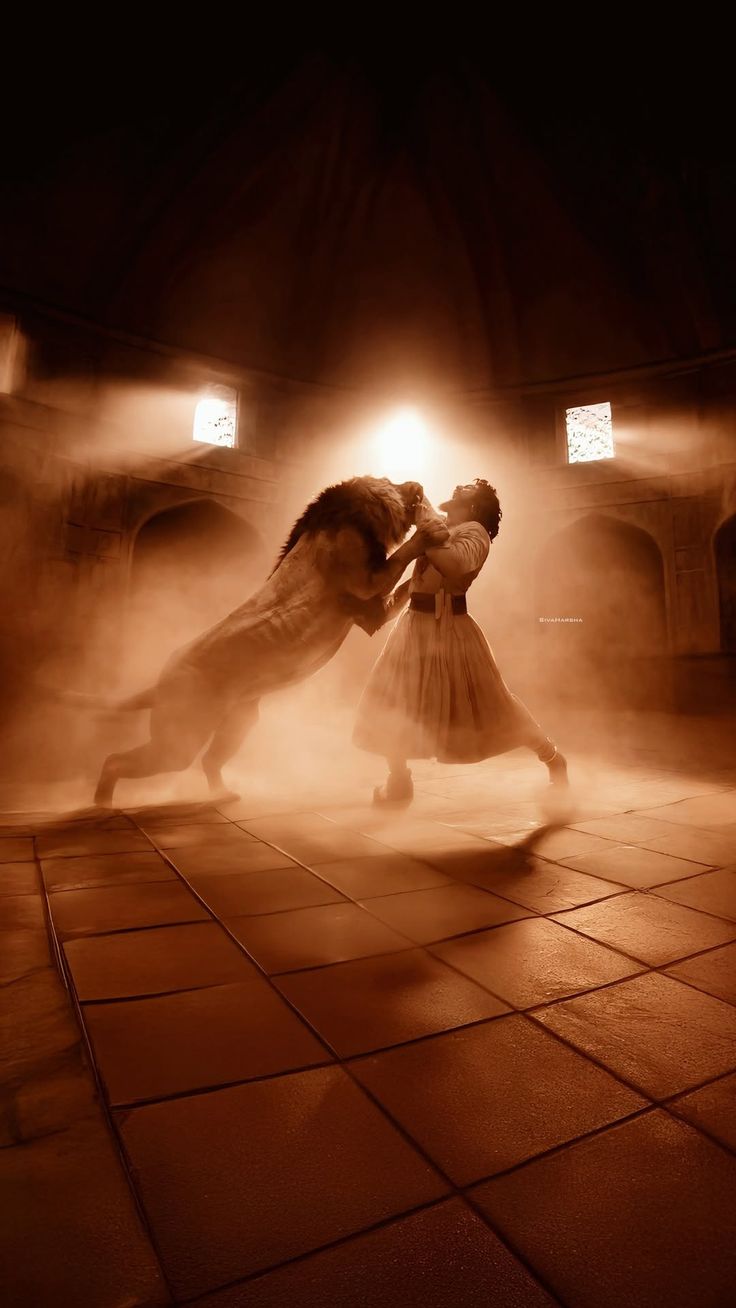
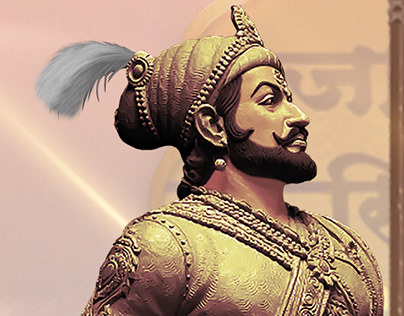
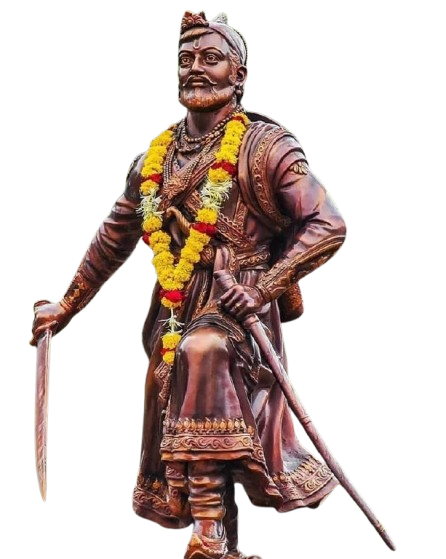
A fearless warrior. A scholar of unmatched intellect. The torchbearer of Swarajya after Chhatrapati Shivaji Maharaj. Sambhaji Maharaj stood unbowed against tyranny, choosing sacrifice over surrender, courage over compromise. His legacy is not just remembered — it is revered. A symbol of resistance. A testament to undying Maratha pride.

"मरण भिऊ नकोस, मी तुझ्या पाठीशी आहे." — A legacy written in valor, lived in defiance.
Abstract Fluid Shape

God

Sambhaji Maharaj

Timeline

Learn More About sambhaji maharaj
About Image

🏰Birth of a Lion

📅 14 May 1657 – Purandar Fort Born to Chhatrapati Shivaji Maharaj and Saibai, Sambhaji Raje entered the world amidst the echoes of fort walls and the aspirations of a rising empire. From the very beginning, he was surrounded by the spirit of Swarajya and Dharma.

Even in his cradle, he carried the weight of a legacy — the fire of freedom glimmered in his eyes, and the roar of Maratha pride beat in his heart.

📚The Scholar Prince

📅 Circa 1671 – Raigad Fort By the age of 14, Sambhaji Maharaj had mastered multiple languages, including Sanskrit, Marathi, Persian, and Hindi. His intellectual prowess culminated in the authorship of 'Budhbhushan,' a Sanskrit treatise on politics and military strategy, reflecting his deep commitment to knowledge and governance.

👑Ascension Amidst Turmoil

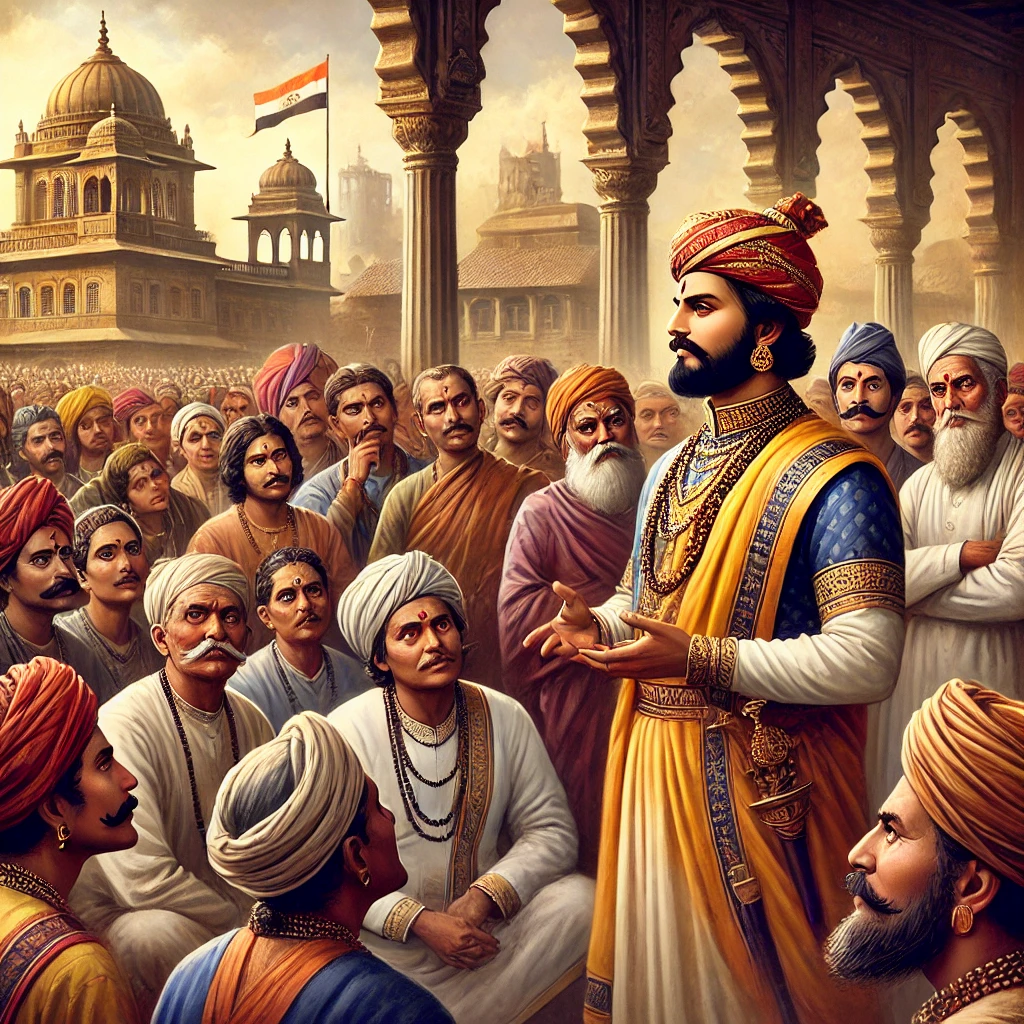
📅 20 July 1680 – Raigad Fort Following the demise of Chhatrapati Shivaji Maharaj, Sambhaji's path to the throne was fraught with internal dissent. Despite conspiracies and familial opposition, he emerged victorious, ascending as the second Chhatrapati of the Maratha Empire, ready to uphold his father's legacy.

⚔️The Burhanpur Campaign

📅 31 January – 2 February 1681 – BurhanpurDemonstrating strategic brilliance, Sambhaji Maharaj led a daring assault on the wealthy Mughal city of Burhanpur. Over three days, his forces secured significant resources, delivering a substantial blow to Mughal authority and showcasing Maratha resilience.

🏰Siege of Janjira: A Test of Resolve

📅 Early 1682 – Janjira Fort In an ambitious endeavor to subdue the Siddis, Sambhaji Maharaj orchestrated a siege on the formidable Janjira Fort. Despite initial successes, the campaign faced setbacks due to unforeseen betrayals, highlighting the complexities of warfare and diplomacy.

🛡️The Poisoning Conspiracy

📅 August 1681 – Raigad Fort A sinister plot to poison Sambhaji Maharaj was uncovered just in time. Demonstrating astute leadership, he neutralized the threat, reinforcing his vigilance against internal treachery and his unwavering commitment to the Maratha cause.

⚔️Battle of Wai: A Pyrrhic Victory

📅 1687 – Wai, Maharashtra Engaging Mughal forces in the dense forests of Wai, the Marathas secured a tactical victory. However, the loss of the esteemed commander Hambirrao Mohite dealt a significant blow to Maratha morale, underscoring the high costs of resistance.

🕊️Capture and Martyrdom

📅 1 February – 11 March 1689 – Sangameshwar to Tulapur Betrayed and captured by Mughal forces, Sambhaji Maharaj endured 40 days of brutal torture for refusing to convert to Islam or betray his comrades. His execution on 11 March 1689 transformed him into a symbol of unwavering faith and sacrifice, earning him the revered title 'Dharmaveer.'

🔥Legacy of Unyielding Spirit

Sambhaji Maharaj's martyrdom galvanized the Maratha resistance, inspiring successive generations to continue the struggle for Swarajya. His life and sacrifice remain a testament to the enduring spirit of defiance against oppression.

🏛️Commemoration and Inspiration

Today, monuments, literature, and cultural narratives across India honor Sambhaji Maharaj's legacy. His story continues to inspire movements for justice and self-determination, embodying the timeless values of courage, resilience, and devotion to one's principles.

Explore His Mission

Uncover the Pillars of Sambhaji Maharaj's Legacy

A life forged in fire,
led with fearless conviction.

Sambhaji Maharaj was not just the heir to an empire — he was the embodiment of unwavering courage, profound intellect, and unshakable loyalty to Swarajya. Every act, every decision he made, was rooted in a fierce determination to uphold dharma and resist tyranny. From leading strategic warfare to enduring unimaginable torture without betraying his people or his ideals, Sambhaji carved a legacy that continues to inspire generations. His life is not just a story — it is a call to awaken pride, resilience, and fearlessness in every heart that remembers him.

⚔️Chhatrapati Shivaji Maharaj – The Visionary Father

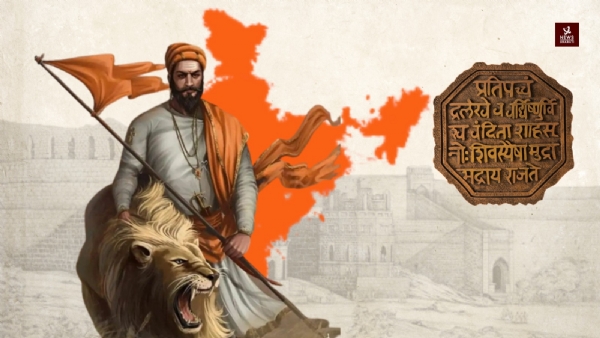
Sambhaji’s guiding star, Shivaji Maharaj laid the ideological and strategic foundation of Hindavi Swarajya. He trained Sambhaji in statecraft, warfare, and dharmic values, planting the seed of leadership in his young son. His shadow loomed large, and Sambhaji spent much of his life rising to meet that divine legacy.

👑Yesubai Bhonsale – The Brave and Loyal Wife

Yesubai stood as Sambhaji’s strength through turbulent times. She faced betrayal, war, and captivity with dignity. Her wisdom and resolve helped preserve the Bhonsale legacy even after Sambhaji’s death, especially in protecting their son, Shahu Maharaj.

🛡️Kavi Kalash – The Soul Brother and Poet-Warrior

A scholar, warrior, and Sambhaji’s most trusted companion, Kavi Kalash was more than just a minister — he was a mirror to Sambhaji’s ideals. He fought and died alongside him, unshaken even in torture. Their unbreakable bond became a symbol of loyalty and fearless defiance.

🧠Balaji Avji Chitnis – The Loyal Secretary and Spy Master

A sharp strategist and one of the few who could match Sambhaji’s intellect, Balaji Avji was instrumental in espionage, diplomacy, and administration. His presence ensured internal discipline and secret operations ran smoothly during Sambhaji’s reign.

🔥Bahirji Naik – The Shadow in the Enemy’s Camp

Though more active during Shivaji’s reign, Bahirji Naik’s network of spies and intelligence legacy continued into Sambhaji’s rule. The culture of Maratha warfare built on information, surprise, and speed was a direct gift of men like him, shaping Sambhaji’s military decisions.

⚖️Aurangzeb – The Ruthless Rival

Though an enemy, Aurangzeb was a central figure in Sambhaji’s life. Their conflict was not just political but civilizational — between tyranny and dharma. Sambhaji’s capture, torture, and death at Aurangzeb’s hands turned him into a martyr and symbol of resistance for generations.

🏹 Roots of Valor:

The Cultural Soul of the Marathas

Swarajya Dharma

The soul of the Maratha movement. Rooted in self-rule and righteousness, this ideal emphasized justice and governance for the people, by the people.

Martial Discipline

War was not chaos — it was a code. Maratha soldiers followed strict ethics in warfare, respecting civilians, women, and places of worship, even amidst battle.

Gurukul & Shastra Study

Education blended philosophy and warfare. Young princes and warriors learned Sanskrit scriptures alongside political strategy and military arts.

Bhakti and Kirtan

Devotion through song. Saints like Tukaram and Samarth Ramdas inspired the people with spiritual strength, linking religious faith with patriotism.

मैं शिवाजी महाराज का पुत्र हूँ,

रण में मर जाऊँगा पर डरूंगा नहीं!

Women of Valor: The Unsung Pillars of the Maratha Empire

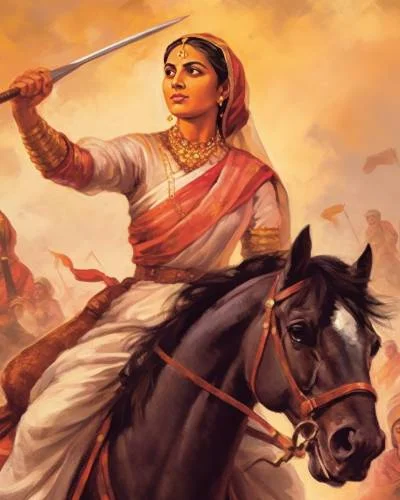
Maratha women were pillars of strength — not just in the household but also in the court and on the battlefield. They were trained in swordsmanship, horse-riding, and strategy, alongside managing family and estate responsibilities. Their opinions were respected in matters of governance, and many women acted as advisors, administrators, and even protectors of the throne during times of crisis.

From Rajmata Jijabai, who shaped Shivaji Maharaj’s vision and values, to Yesubai, who displayed political courage during Sambhaji Maharaj’s captivity, Maratha women played vital roles in the empire’s moral and strategic foundation. Their strength, intelligence, and sense of duty helped preserve the ideals of swarajya and dharma, making them an inseparable part of the Maratha legacy.

Vrat-Dharma (Oaths of Honor)

In the Maratha culture, taking a vrat (vow) was a deeply sacred act. Once made, these vows were to be kept at all costs, even if it meant sacrificing one’s life. This sense of vrat-dharma created a strong bond of trust and discipline among the rulers, soldiers, and citizens. The oath was both a spiritual and moral commitment, reinforcing the values of courage, loyalty, and honor.

A striking example is Chhatrapati Sambhaji Maharaj, who vowed never to renounce his faith or principles, despite facing brutal torture. This unwavering resolve inspired his soldiers, who also swore loyalty oaths to the empire and accepted death over dishonor. These sacred vows strengthened the Maratha spirit, making their commitment to swarajya unbreakable and their honor priceless.

Agrarian Roots & Village Self-Sufficiency

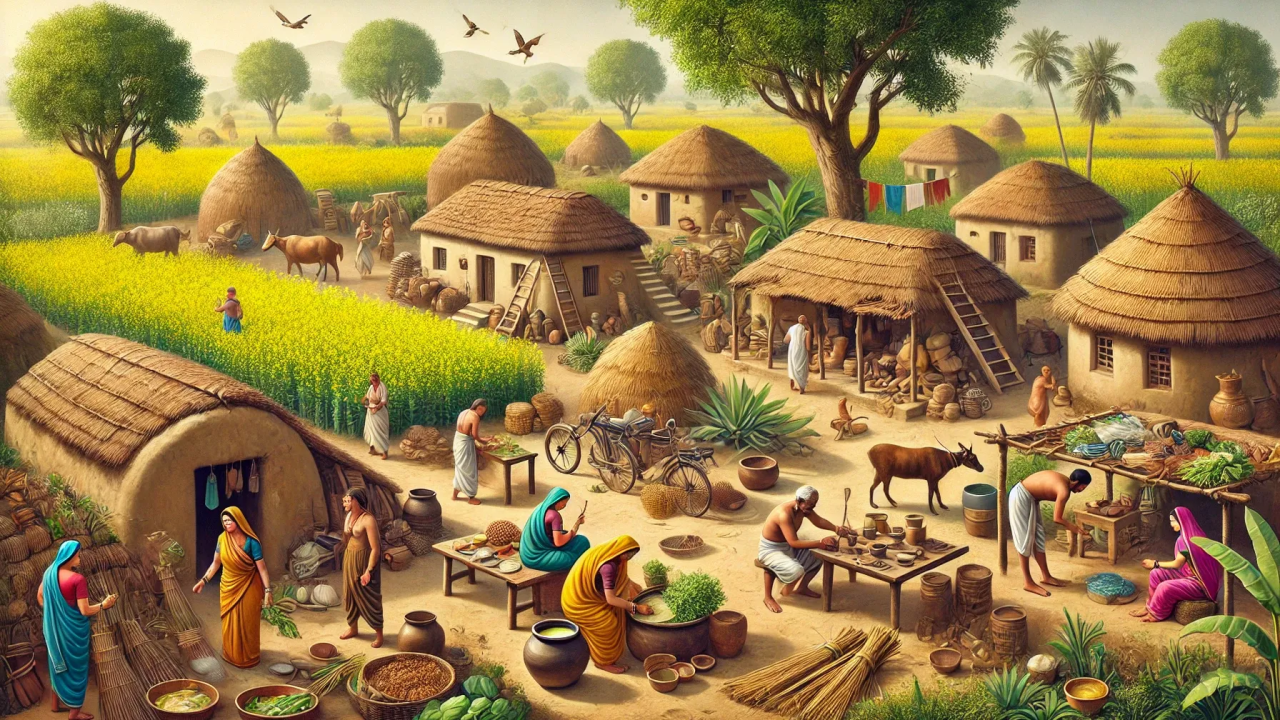
Beneath the Maratha Empire’s military strength lay the quiet resilience of its farmers. Agriculture was not just an occupation but the backbone of the economy and daily life. Even during times of war, villages operated through well-organized, self-sufficient systems. Panchayats managed local governance, while shared granaries and communal wells ensured that food and water were available for all.

These village structures fostered unity, discipline, and interdependence. People supported one another through seasonal challenges and collective farming efforts. This rural strength gave the Maratha Empire long-term stability and made it less dependent on external resources — a model of grassroots governance that stood strong in turbulent times.

Respect for Knowledge & Language

The Marathas deeply valued learning, literature, and linguistic pride. Chhatrapati Sambhaji Maharaj himself was fluent in Sanskrit, Marathi, Persian, and several regional languages — a testament to the intellectual culture of the time. He not only appreciated scholars but also wrote extensively, promoting dialogue across cultures.

The royal courts welcomed poets, historians, and scholars, who preserved ancient texts and composed new works in multiple languages. Sanskrit and Marathi were elevated as cultural cornerstones, while Persian was used for diplomacy. This respect for knowledge helped preserve identity, enrich heritage, and strengthen the empire’s intellectual legacy.

Team & Reference

Check Our Team & resources

Vivek Kumar

B.tech Student

A full stack developer with a passion for creating user-friendly and engaging web applications. I specialize in front-end development using HTML, CSS, and JavaScript, and I'm also proficient in backend technologies like java, spring and springboot.

ChatGPT AI

Language Assistant

ChatGPT is an advanced conversational AI developed by OpenAI. Powered by deep learning and trained on vast knowledge across disciplines, it helps users with writing, coding, research, and creative tasks.

Wikipedia

Wikipedia

Knowledge Repository

A globally trusted encyclopedia offering well-researched articles and timelines on historical figures like Sambhaji Maharaj.

BISM

Bharat Itihas Sanshodhak Mandal

Historical Research Society

One of India’s oldest research organizations dedicated to preserving and publishing Maratha-era manuscripts and royal records.

Get in Touch

Loading
Your message has been sent. Thank you!